
Get Grease Trap Installation in Essex County, MA
Grease trap installation services for Essex County, MA, help property owners prevent clogs, odors, and backups by installing or upgrading grease traps for commercial kitchens and food establishments.
Grease trap installation services are essential for property owners in Essex County, MA who want to ensure their commercial kitchens operate smoothly and efficiently. Properly installed grease traps help prevent foul odors, clogs, and backups that can disrupt daily operations. They also contribute to a safer environment by reducing the risk of grease-related fires and plumbing issues, promoting peace of mind for restaurant owners, food service providers, and other businesses handling food preparation.
In addition to safety and functionality, professional grease trap installation offers benefits such as enhanced durability and reduced maintenance needs. Well-installed traps are less prone to leaks and damage over time, which can extend their lifespan and lower long-term costs. They also improve curb appeal by maintaining a cleaner, more organized appearance around the property’s exterior, reflecting a commitment to cleanliness and professionalism that customers and inspectors appreciate.
- Grease Trap Installation - needed for restaurants and commercial kitchens to prevent grease buildup in plumbing systems.
- Grease Trap Maintenance - essential for food service establishments to ensure proper functioning and compliance.
- Grease Trap Replacement - required when existing traps become outdated or damaged, especially in busy dining areas.
- Grease Trap Inspection - useful for businesses seeking to identify potential issues before costly repairs or code violations occur.
- Custom Grease Trap Solutions - suitable for new construction or renovation projects in commercial food establishments.
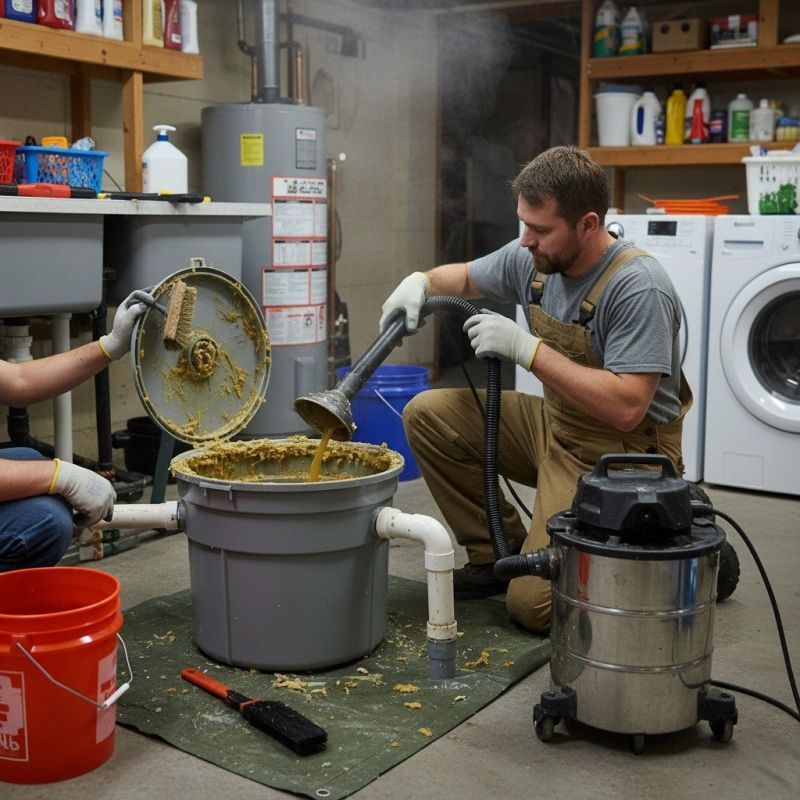
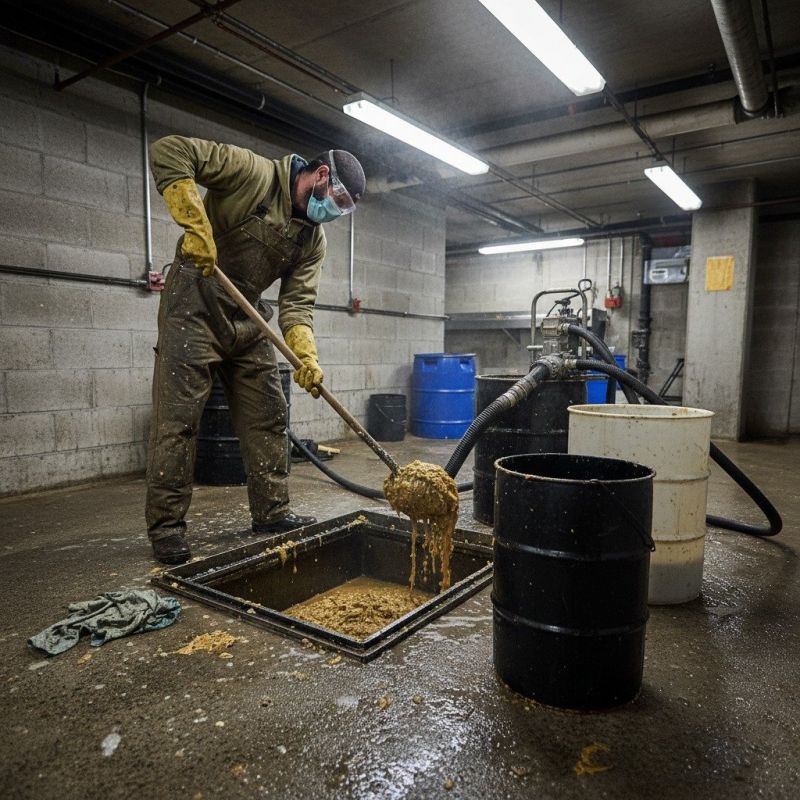
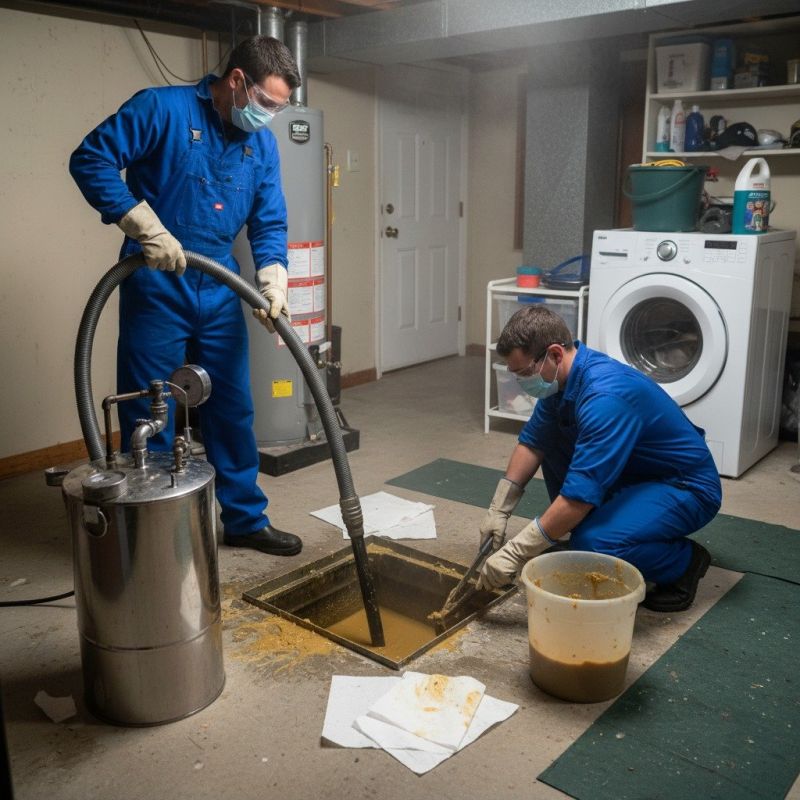
Grease trap installation services involve the setup of specialized interceptors designed to capture fats, oils, and greases (FOG) from wastewater before they enter the plumbing system or municipal sewer lines. These systems are typically installed underground and are connected to the drainage outlets of commercial kitchens, restaurants, cafeterias, and other food service establishments. The installation process ensures that the grease trap is properly integrated into the property's plumbing, allowing for efficient separation of grease from water and preventing it from causing blockages or damage downstream.
One of the primary issues that grease trap installation helps address is the accumulation of FOG in pipes and sewer lines. Excess grease can solidify and build up over time, leading to clogs, backups, and costly plumbing repairs. By installing a grease trap, property owners can significantly reduce the risk of these problems, ensuring smoother drainage and compliance with local health and sanitation regulations. Properly installed grease traps also help prevent foul odors and reduce the likelihood of sewer overflows, which can impact both property operations and public health.
Grease trap installation services are commonly utilized by commercial properties such as restaurants, catering facilities, food processors, and institutional kitchens. These establishments generate substantial amounts of FOG as part of their daily operations and are often required by local codes to have properly functioning grease interceptors. Additionally, some industrial facilities and large-scale cafeterias may also seek installation services to manage their wastewater and adhere to environmental and health standards. The size and type of grease trap installed can vary based on the property's wastewater output and regulatory requirements.
Professional grease trap installation ensures that the system is correctly positioned and capable of handling the property's specific needs. Service providers typically evaluate the property's plumbing layout, FOG volume, and local regulations to recommend appropriate solutions. Proper installation not only helps prevent plumbing issues but also supports ongoing maintenance and compliance efforts. Contacting experienced local service providers can help property owners find the right grease trap system to meet their operational needs and ensure effective FOG management.
The overview below groups typical Grease Trap Installation projects into broad ranges so you can see how smaller, mid-sized, and larger jobs often compare in Essex County, MA.
In many markets, a large share of routine jobs stays in the lower and middle ranges, while only a smaller percentage of projects moves into the highest bands when the work is more complex or site conditions are harder than average.
Installation Costs - The cost to install a grease trap typically ranges from $1,000 to $3,000, depending on size and complexity. Larger commercial systems may cost more, sometimes exceeding $5,000. Prices vary based on local contractor rates and site requirements.
Material Expenses - Materials for grease trap installation can add $500 to $2,000 to the total cost. This includes the trap unit itself, piping, and accessories, with prices fluctuating by brand and capacity.
Labor Charges - Labor costs for installing a grease trap generally range from $300 to $1,500. The total depends on the installation's difficulty, site accessibility, and local labor rates in Essex County, MA.
Additional Fees - Additional costs may include permits or site preparation, which can range from $200 to $1,000. These fees vary based on local regulations and specific project conditions.
Actual totals will depend on details like access to the work area, the scope of the project, and the materials selected, so use these as general starting points rather than exact figures.
Grease Trap Installation services involve setting up grease traps to effectively manage kitchen wastewater in commercial and industrial facilities. Local service providers can assist with proper installation to meet plumbing and sanitation standards.
Commercial Kitchen Setup - installing grease traps is essential for new or renovated commercial kitchens to ensure proper waste management and compliance with local regulations.
Restaurant Plumbing Services - professionals can incorporate grease trap installation into restaurant plumbing systems to prevent grease buildup and protect drainage infrastructure.
Food Service Facility Upgrades - installing or upgrading grease traps as part of facility improvements helps maintain efficient waste processing and regulatory adherence.
Waste Management System Integration - experts can integrate grease traps into existing waste management systems to optimize kitchen operations and prevent plumbing issues.
Preventive Maintenance Services - some providers offer ongoing maintenance for grease traps to ensure continued functionality and compliance with local health standards.
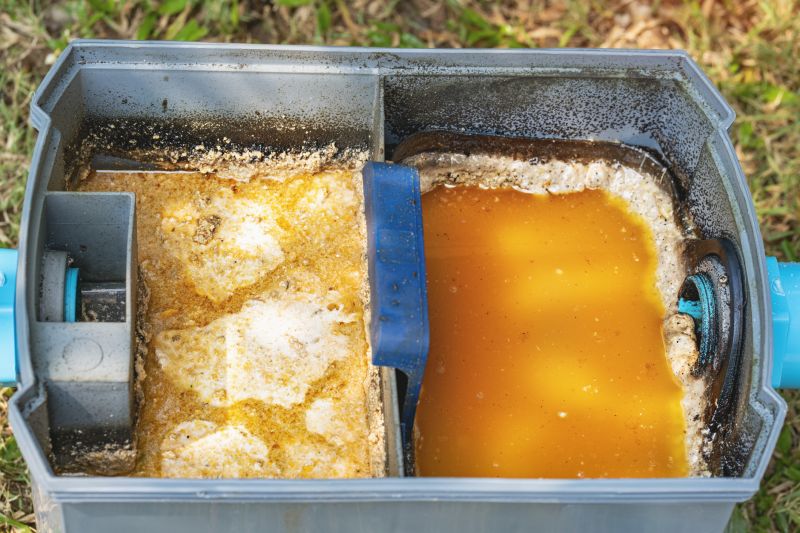
Experience is a key factor when selecting a professional for grease trap installation. Homeowners should seek out contractors with a proven track record in installing grease traps in commercial or residential settings similar to their own. An experienced provider is more likely to understand local codes, best practices, and common challenges, ensuring that the installation process proceeds smoothly and efficiently. When evaluating options, it is helpful to inquire about the number of installations completed and the types of properties served to gauge familiarity with specific requirements.
Clear and detailed written expectations are essential for a successful project. Pros who provide comprehensive estimates and scope of work help homeowners understand what is included, such as the size of the grease trap, materials used, and any necessary site preparations. Having this information in writing can prevent misunderstandings and ensure that both parties are aligned on the project’s scope and deliverables. It is advisable to ask for a detailed proposal or contract that outlines the steps involved, costs, and any warranties or guarantees offered.
Reputable references and strong communication skills are also important considerations. Homeowners should seek out local providers who can furnish references from previous clients, demonstrating a history of satisfactory work. Good communication involves timely responses, clarity in explaining procedures, and openness to questions or concerns. This level of professionalism can contribute to a smoother installation process and greater confidence in the chosen service provider. Since the site introduces local options, it is recommended to contact multiple pros to compare their experience, expectations, and communication style before making a decision.
Property owners in Essex County, MA use Grease Trap Installation services for practical projects around their homes and businesses. The sections below highlight everyday jobs and straightforward project options.
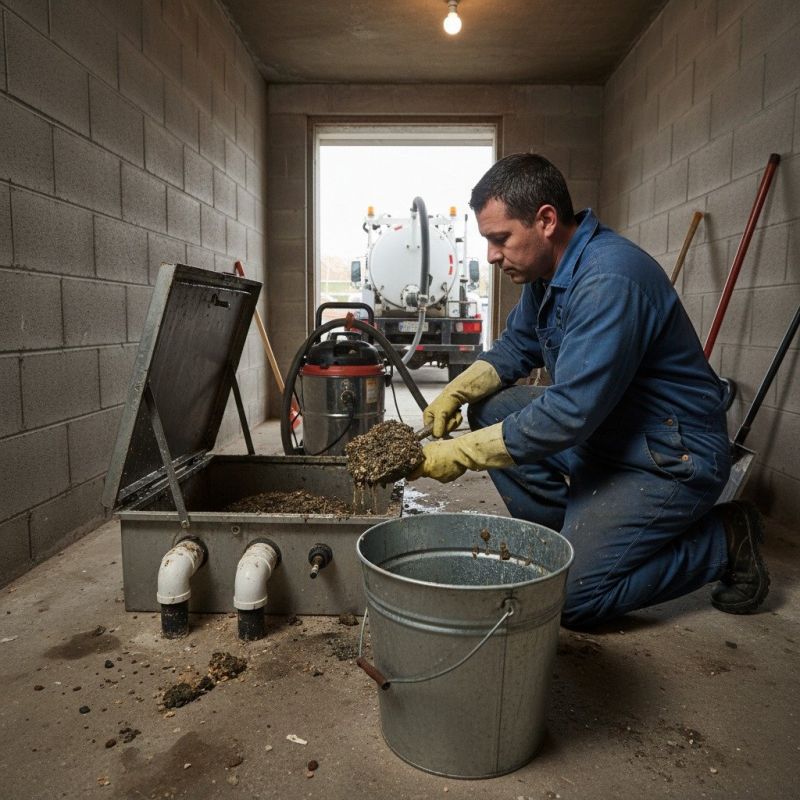
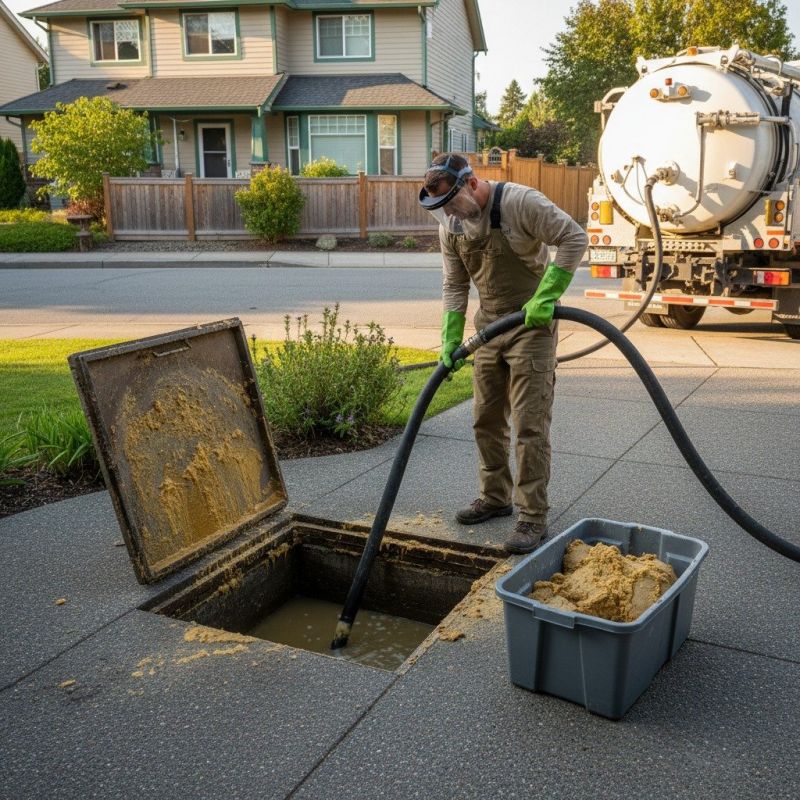
Grease trap installation services are often sought by property owners in Essex County, MA, who are managing commercial kitchens, restaurants, or food service establishments. Properly installed grease traps help prevent fats, oils, and greases from entering the plumbing system, reducing the risk of clogs and backups that can disrupt daily operations. Local service providers can assist with choosing the right size and type of grease trap to meet the specific needs of a business, ensuring compliance with local regulations and maintaining smooth kitchen workflows.
In addition to new installations, property owners may look for grease trap services when upgrading or replacing outdated equipment. Routine maintenance and timely installations can help avoid costly plumbing issues and ensure the efficient operation of commercial kitchen systems. Local pros in Essex County, MA, are available to provide expert guidance on installation options that align with the size of the property and the volume of food service activity, supporting ongoing business needs.
What is a grease trap? A grease trap is a device installed in plumbing systems to capture fats, oils, and greases from wastewater before it enters the drainage system.
Why is grease trap installation important? Proper installation helps prevent clogs, backups, and plumbing issues caused by grease buildup in commercial and industrial kitchens.
How do local professionals handle grease trap installation? They assess the property, select appropriate trap sizes, and install the device according to local codes and standards.
What should be considered before installing a grease trap? Factors include the size of the establishment, volume of grease produced, and local regulations regarding trap specifications.
How can I find local pros for grease trap installation? Contacting experienced service providers in Essex County, MA, can connect property owners with qualified professionals for installation services.
Grease Trap Installation Services - Professionals can install grease traps to help commercial kitchens meet local regulations and prevent plumbing issues.
Custom Solutions for Grease Trap Placement - Local service providers offer tailored installation options to suit the layout and needs of different establishments.
Maintenance and Inspection Support - Many pros also provide ongoing maintenance and inspection services to ensure grease traps function properly over time.
Compliance Assistance for Business Operations - Experts can advise on proper grease trap sizing and placement to help businesses stay compliant with local codes.
Considering Grease Trap Installation for a property in Essex County, MA? The sections above highlight common project types, practical options, and details that often shape the scope of work.
When you are ready, use the quote form to share a few details about your project. Local pros can review the basics and respond with options that match what you have in mind.